
EU set to ditch 2035 new ICE car sales ban
The European Commission is expected to officially scrap its 2035 combustion engine ban tomorrow (16 December) following in-depth lobbying from domestic carmakers.
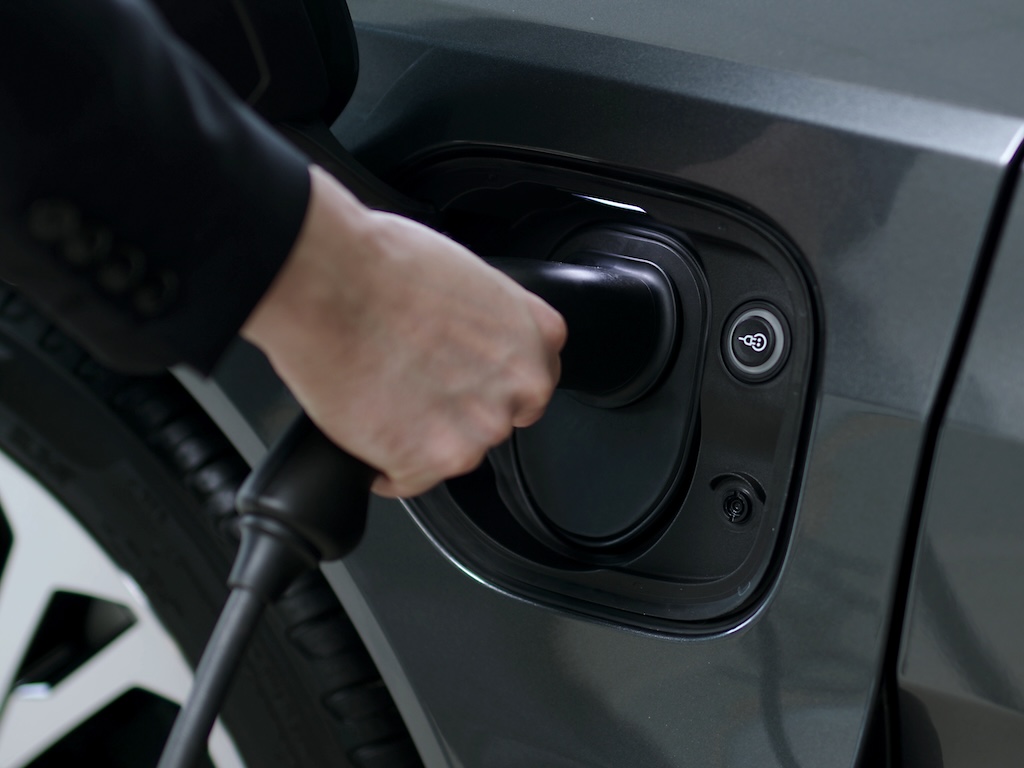
The EU is expected to push the ICE ban back five years or water down emissions reduction targets
Details are yet to be revealed but the plans could see the end date for ICE sales pushed back five years or the emissions reduction targets watered down. According to reports, laws could be revised to shift from a 100% CO2 cut by 2035 to a 90% target for new cars, as long as carmakers hit certain criteria such as using green steel.
“The European Commission will be putting forward a clear proposal to abolish the ban on combustion engines,” Manfred Weber, head of the European Parliament’s largest group, the European People’s Party, said on Friday. “It was a serious industrial policy mistake.”
The widely trailed move follows intense lobbying by carmakers such as Volkswagen and Stellantis. But others including Volvo and Polestar have spoken out against the changes, warning that a longer shift to EVs would play to the benefit of Chinese rivals.
A rethink on the ICE car ban in the EU also places huge pressure on the UK to follow suit. However, reports indicate that Labour intends to sit firm on the 2030 ICE ban but potentially adjust the ZEV mandate next year. Earlier today, the Conservatives said they would scrap both the ICE ban and the ZEV mandate, if they win the next election, in a ploy to win votes.
Dominic Phinn, head of transport at the Climate Group, said: “Europe can secure its pole position in the global race for clean transport by holding firm on the 2035 phase-out date. If the EU loses its nerve now, it risks not just its auto industry, but its place in the global economy.”
He also warned that there is “absolutely no justification for tinkering with the ZEV mandate in the UK” and added that the regulations are “delivering as promised” and “keeping the UK at the forefront of the global race for clean transport”.
BEVs captured 26% of all new car registrations in November; the strongest performance this year, according to SMMT data and ahead of performance in the EU.
The Climate Group said markets around the world are catching up at record speed, from Costa Rica to Ethiopia, from Thailand to Vietnam. In Uruguay, in the last quarter of 2025, 28% of new car sales were EVs, while in Costa Rica, 25.6% of new vehicles in October were electric – the highest share on record.
The Climate Group also said the UK’s biggest fleets – from BT/Openreach to DPD, from Centrica to Tesco – are all committed to 100% electric fleets.
“They need EVs in the numbers and models the ZEV mandate provides,” added Phinn.
Natalie Middleton

Natalie has worked as a fleet journalist for nearly 20 years, previously as assistant editor on the former Company Car magazine before joining Fleet World in 2006. Prior to this, she worked on a range of B2B titles, including Insurance Age and Insurance Day. Natalie edits all the Fleet World websites and newsletters, and loves to hear about any latest industry news - or gossip.