
EU to weaken 2035 ban on new petrol, diesel cars | Plans for new small EV class take shape
The European Union has confirmed it will water down its 2035 combustion engine ban in new proposals to offer more flexibility for carmakers in the switch to lower-emission transport.
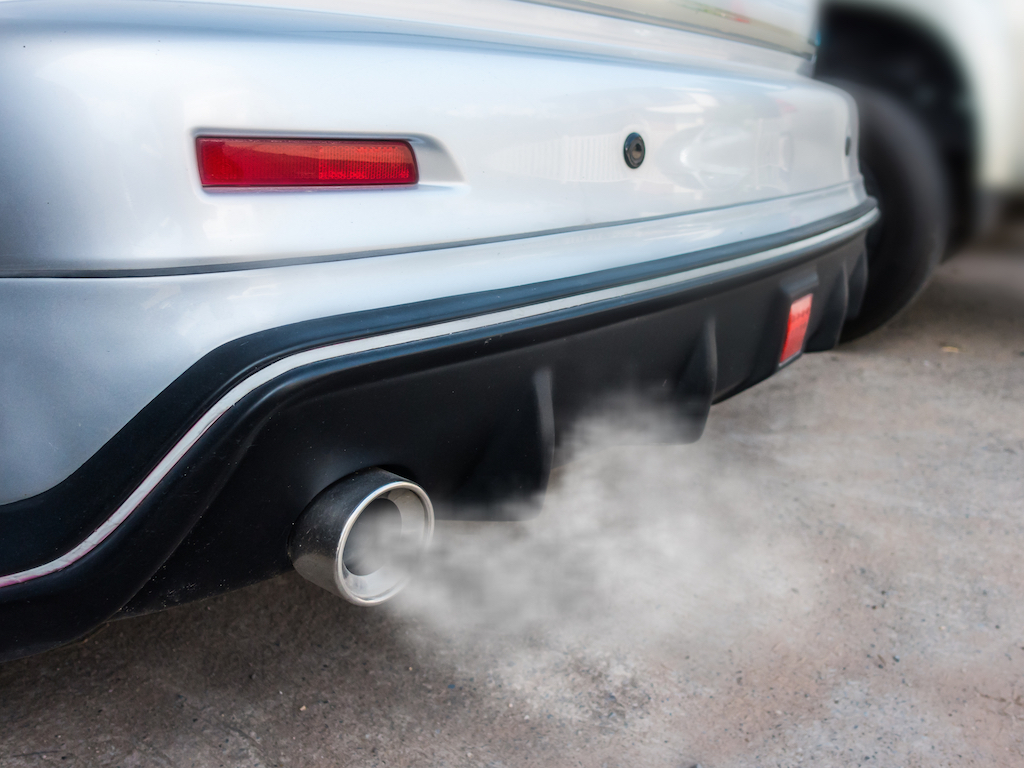
The new plans will allow for PHEVs, range extenders, mild hybrids and ICE cars to play a role beyond 2035
The current target of a 100% CO2 cut by 2035 will now change to a 90% target for new car average fleet emissions, under the plans, which require approval from EU governments and the European Parliament.
“This will allow for plug-in hybrids (PHEV), range extenders, mild hybrids and internal combustion engine vehicles to still play a role beyond 2035, in addition to full electric and hydrogen vehicles,” the commission said.
The package opens the possibilities for plug-in hybrids, range extenders and ICE vehicles to remain part of the automotive landscape beyond 2035, with the potential to account for over a quarter of new car sales based on preliminary estimates.
However, carmakers will need to offset the remaining 10% of emissions through measures such as the use of green steel made in Europe and e-fuels or biofuels for non-electric vehicles.
The EU has also relaxed targets for electric vans; the current requirement for a 50% reduction in carbon emissions by 2030 will instead drop to 40%.
The European Commission also launched new corporate fleets legislation, a battery booster package and automotive omnibus alongside today’s CO2 limits proposal.
And the new EU Automotive Package also includes measures for incentivising new small EVs under a new initiative inspired by Japan’s Kei car.
Customers buying the new class of vehicles – which will be built in the EU and measure under 4.2m in length – will benefit from reductions in road tolls and discounts at charging stations.
Manufacturers will also get “super credits” for the new M1E class of vehicles up to 2035, allowing them to bank bonus carbon credits for their factories, along with a 10-year exemption to incoming regulations such as safety rules and the EU’s Euro 7 emissions standards that are due to come into force in 2026.
The move to alter the EU emissions rules follows months of intense lobbying from domestic carmakers.
But a rethink on the ICE car ban in the EU also places huge pressure on the UK to follow suit. However, reports indicate that Labour intends to sit firm on the 2030 ICE ban but potentially adjust the ZEV mandate next year. Earlier this week, the Conservatives said they would scrap both the ICE ban and the ZEV mandate, if they win the next election, in a ploy to win votes.
CLEPA – the European Association of Automotive Suppliers – said the EU’s new emissions proposals represented “a constructive step forward” that was “in line with the EU’s climate goals” – but was also a “complex and potentially costly solution”.
The association said the reduced target “constrains market actors and limits the flexibility that many automotive suppliers require”. It warned that, in practice, only a small subset of companies will benefit from the additional leeway. Moreover, the ‘Made in EU’ provisions in the CO2 Regulation revision apply exclusively to small zero-emission vehicles, meaning their overall impact will remain limited and is not fit to ensure that production stays in Europe – a key interest for several EU member states.
Benjamin Krieger, CLEPA’s secretary general, said: “Today’s package reconfirms Europe’s long-term climate ambition for road transport but with its wealth of detailed obligations it risks creating complexity, additional cost and falls short of setting out the path for a realistic transformation.
“While ambitious fleet targets and local content policies reflect a strong desire to accelerate electrification and bolster resilience, such measures lose their effectiveness without clear, technology neutral pathways. Instead of fostering competitiveness, they risk narrowing opportunities, undermining Europe’s ability to lead in the global automotive race.”
While China accelerates, Europe is hesitating
Many opponents also said the European Commission’s weakening of its 2035 target for zero-emission car and vans sales would negatively impact investment certainty in Europe’s e-mobility ecosystem – particularly in the face of aggressive Chinese competition – but also said the Continent’s future remains electric.

By 2035, demand for EVs will be shaped by their superior cost, efficiency and technology maturity
Over 200 European business leaders had, in September, called on President von der Leyen to deliver a clear 2035 electrification investment signal in today’s review.
Chris Heron, secretary general of E-Mobility Europe, said: “While China accelerates, Europe is hesitating, and hesitation is not a strategy. Changing the rules midway through the game undermines business confidence after companies have already committed capital and built factories around a 100% trajectory. But once the dust settles, we’re confident the core of the 2035 framework will still matter more for the market than today’s exemptions. By 2035, demand for electric vehicles will be shaped by their superior cost, efficiency and technology maturity. Europe’s long-term competitiveness will be most certain when its policies reinforce that trajectory.”
Many also commented on the significant implications for the UK, which is currently legislating its own pathway to zero-emission vehicles through the ZEV mandate.
Industry leaders have warned that any move by the UK to follow Europe’s lead by weakening targets or expanding exemptions would risk undermining hard-won investment certainty at a critical moment for the British EV sector.
Chris Heron said the UK “would be mad” to follow the EU’s example.
“It’s the wrong time to take the wind out of EV sales. Electric car markets are growing strongly, yet by reopening the door to plug-ins, hybrids and unscalable biofuels, we slow ourselves down in a highly competitive global race. We know the future of transport is electric; what isn’t settled is who will build that future, and who will win the investment, jobs and industrial advantage that comes with it.”
He added: “Our message to Westminster is simple: hold the line on ambition, give industry certainty and don’t muddy the picture, just as the transition is accelerating.”
Delvin Lane, CEO of UK charging firm InstaVolt, said: “If parts of Europe slow down on 2035, the UK has a real opportunity by holding firm on ZEV. Policy certainty brings investment, not just in vehicles, but in charging infrastructure at scale. We’re already seeing strong demand for EVs, backed by a rapidly expanding, reliable charging network that gives drivers confidence to make the switch. Staying the course wouldn’t be a risk; it would be a competitive advantage for the UK market.”
And John Lewis, CEO of on-street public charging specialist Char.gy, said that for the UK, “this is a moment to show leadership, not hesitation”.
“We’ve spent years building confidence among drivers, particularly those without driveways, that the transition to electric is practical, affordable and here to stay. That confidence rests on policy clarity. If the UK were to water down its own mandate in response to changes in Europe, it would risk slowing investment in local charging infrastructure and undermining the progress communities are already seeing. The direction of travel is clear: the future is electric. What matters now is giving businesses and consumers the certainty to plan for it.”
If Europe slows, the UK can take the lead
Many in the EV and charging industry also said that diluting the UK’s ambition in response to changes in Brussels would send a damaging signal to investors, manufacturers and supply chain partners, many of whom have already committed significant capital on the assumption that the UK would stay the course.
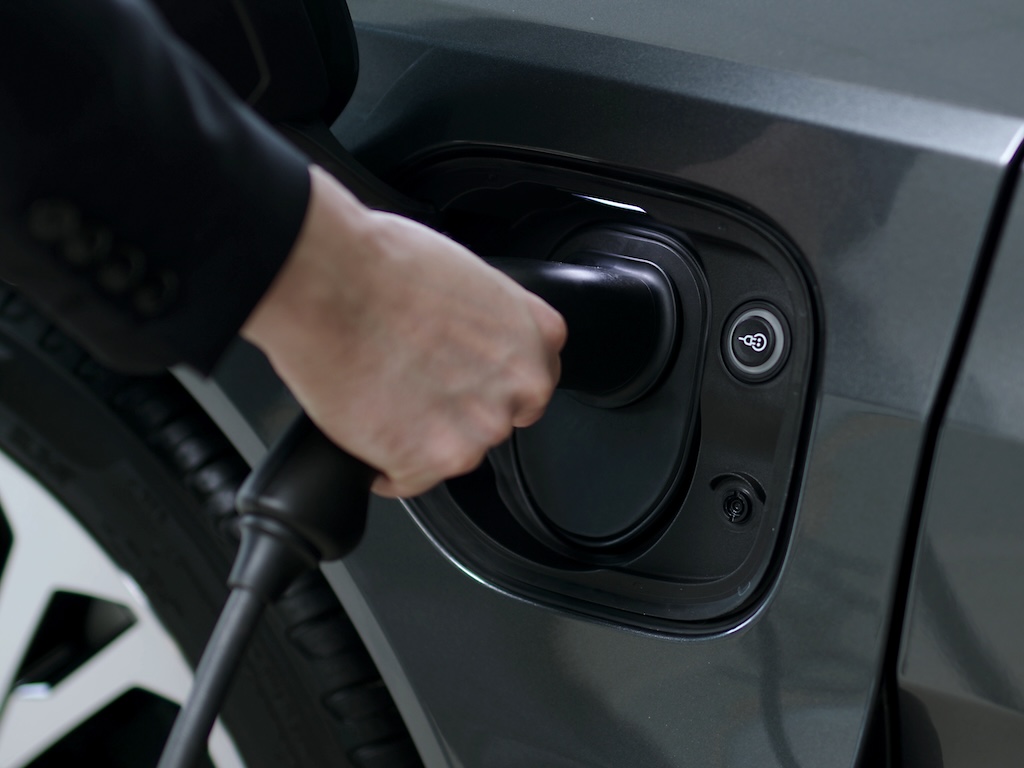
Diluting the UK’s ambition would send a damaging signal to investors, OEMs and supply chain partners
Fiona Howarth, founder and director at Octopus Electric Vehicles, stated: “Softening EV policy doesn’t protect industry – it gives others a head start. In the global EV race, commitment wins. If Europe slows, the UK can take the lead. Strong policies such as the ZEV mandate give carmakers, investors and drivers what matters most: certainty – unlocking investment, jobs and faster, cheaper electric cars.”
Tanya Sinclair, CEO of Electric Vehicles UK, went on: “One of the UK’s clear advantages since leaving the EU has been regulatory freedom. It’s what allowed the Government to introduce something as ambitious and effective as the ZEV mandate. Set aside the wider economic debate on Brexit, and this point is simple: the UK gained the ability to set clear, forward-looking electrification targets for manufacturers. Walking back from that ambition now, in step with parts of Europe, would mean squandering that advantage and weakening the UK’s position in a global transition that is moving, not slowing.”
Data also shows a strong economic case for maintaining momentum on the UK’s ZEV mandate. Independent analysis by the Energy & Climate Intelligence Unit (ECIU) found that weakening the mandate – for example, by slowing the pace of EV sales growth – could leave millions of drivers paying up to £1,600 more a year to run a petrol car than an EV, with the cumulative impact on motoring costs totalling around £40bn over time.
Commenting on confirmation that the European Commission is backing away from plans to end the sale of petrol and diesel cars in 2035, Colin Walker, head of transport at the ECIU, said: “The losers here are European families who will be left behind in petrol and hybrid cars that are hundreds of euros more expensive to drive. Recent EU data shows that hybrids use 490% more fuel than their manufacturers claim.
“But there are clear risks too for the European car industry that, in attempting to slow the EV transition, could well become ever more uncompetitive as the world drives forward with electrification.
“Some are already suggesting the UK should follow the EU’s example in watering down its own EV policies, but to do so would cost British families by keeping them in dirtier and more expensive petrol cars for longer. Stable policy will give companies the confidence to invest billions in the UK’s charging infrastructure and will avoid jeopardising investments in our car industry and its supply chains. It was government policy that saw Sunderland chosen to build Nissan’s original electric Leaf, and today the latest Nissan EV has started rolling off the production lines in the North East, securing jobs for years to come.”
The European Commission will present the detailed automotive omnibus plan, with the provisions outlined today, to the European Parliament and Council next year.
Natalie Middleton

Natalie has worked as a fleet journalist for nearly 20 years, previously as assistant editor on the former Company Car magazine before joining Fleet World in 2006. Prior to this, she worked on a range of B2B titles, including Insurance Age and Insurance Day. Natalie edits all the Fleet World websites and newsletters, and loves to hear about any latest industry news - or gossip.