
EV adoption across the UK bouncing back, PwC eReadiness survey reveals
The UK continues to make significant strides in electric vehicle adoption, climbing to fifth place out of 13 European countries for ‘eReadiness’ in PwC’s latest survey.
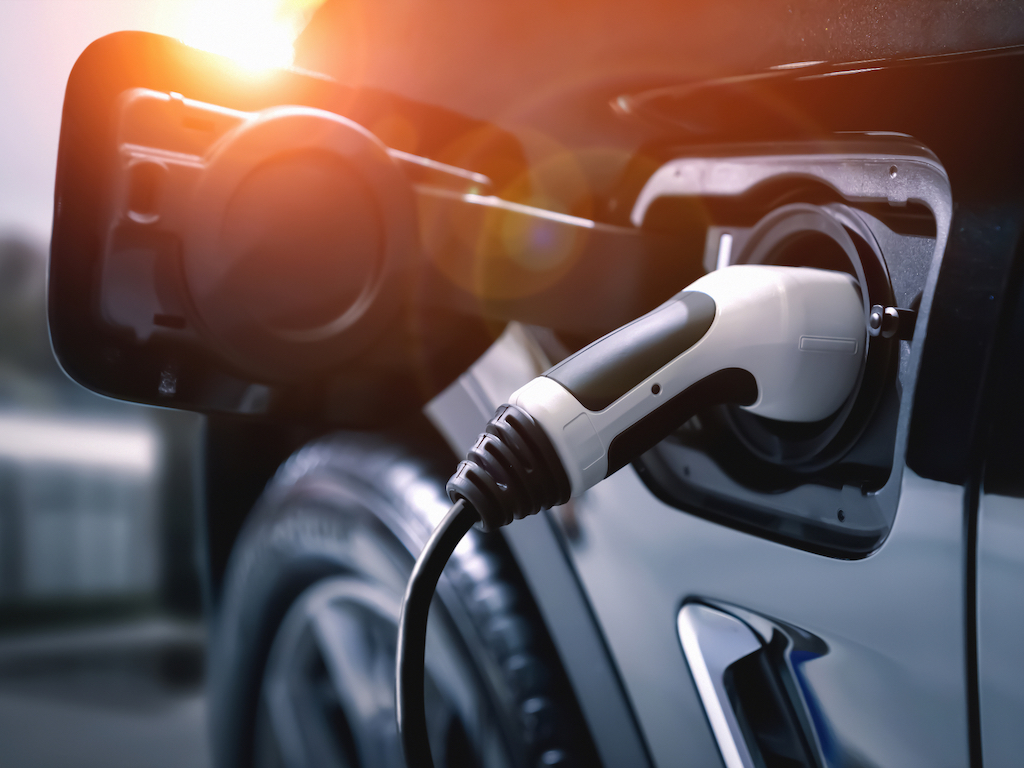
The research paints a promising picture for the future of e-mobility and e-readiness in the UK
The rise is the second largest among all 28 countries surveyed, highlighting the UK’s growing commitment to sustainable transportation.
The resurgence in the UK’s eReadiness score is attributed to several key factors, including the reinstatement of electric car grants, an expanding range of more affordable EV models, significant price reductions in both new and used EVs, and ongoing advancements in charging infrastructure across the UK.
PwC’s index measures how ‘eReady’ a country is; i.e. how supportive, market conditions are towards the adoption and usage of EVs. This is evaluated based on four factors: government incentives, infrastructure, supply and demand.
Key findings from the eReadiness survey 2025 include the UK’s continued growth in EV adoption, as government support and fierce price competition among automakers propels EV adoption.
Seven in 10 (70%) of UK respondents plan on buying an electric car within five years (up from 65% last year), while those not planning to own an EV (EV sceptics) has fallen from 26% last year to 18%.
Charging infrastructure continues to roll out at pace across all areas of the country – the UK network continues its rapid expansion, increasing the total amount of charge points by 26% compared to 2024 and up 29% on faster chargers (50kW and above). Government changes to infrastructure funding and streamlining grid connections will help accelerate this further.
The Government has launched additional incentives with the introduction of the Electric Car Grant, offsetting the removal of some EV exemptions to vehicle excise duty in April 2025. This has resulted in improving the UK’s eReadiness ranking vs other countries globally.
Satisfaction among EV owners is high (88%) with over half (55%) likely to recommend one to friends and family.
The main barriers to adoption remain linked to ‘performance anxiety’ and cost. The top four factors that have discouraged people are recharge time, limited range, uncertainty about battery life, and higher upfront cost.
Dom Tribe, automotive sector leader and partner at PwC UK, said the UK stands at the threshold of “a renewed upward inflection point in EV adoption”.
“As we steer towards the future, strategic partnerships between the government, OEMs, suppliers and infrastructure providers will be vital in offering a seamless EV transition. Chinese entrants to the market will make a significant impact to affordability, providing a greater choice of more affordable EVs for the consumer.
“Looking ahead, the industry needs robust long-term support, complemented by education and engagement, to nurture trust among UK consumers, tackle ‘performance anxiety’ and drive EVs forward as the cornerstone of sustainable transport.:
He also noted that the UK’s progress in EV adoption is pivotal in achieving national net zero goals, as digital innovations and policy support widespread consumer and industry shifts towards sustainable transportation solutions.
Panos Stergiopoulos, PwC UK e-mobility leader, said the research paints a promising picture for the future of e-mobility and eReadiness in the UK.
“We are at the cusp of achieving mass market EV adoption, but it is important to maintain momentum, especially if the UK is to meet its net zero targets. While technological advancements are poised to address common hurdles such as high upfront costs and ‘range anxiety’, there is still more work to be done. The industry must intensify its efforts to boost customer engagement and awareness, improve the overall customer experience, and dispel uncertainties surrounding EV operating costs, maintenance, resale value and battery longevity. Progress is evident, but the journey must continue.”
Natalie Middleton

Natalie has worked as a fleet journalist for nearly 20 years, previously as assistant editor on the former Company Car magazine before joining Fleet World in 2006. Prior to this, she worked on a range of B2B titles, including Insurance Age and Insurance Day. Natalie edits all the Fleet World websites and newsletters, and loves to hear about any latest industry news - or gossip.