
Hyundai debuts Ioniq 3 ‘Aero Hatch’ to redefine compact EVs
Hyundai has unveiled the Ioniq 3, delivering a compact ‘Aero Hatch’ that expands its electric vehicle lineup with a focus on intuitive technology and efficient, spacious design.
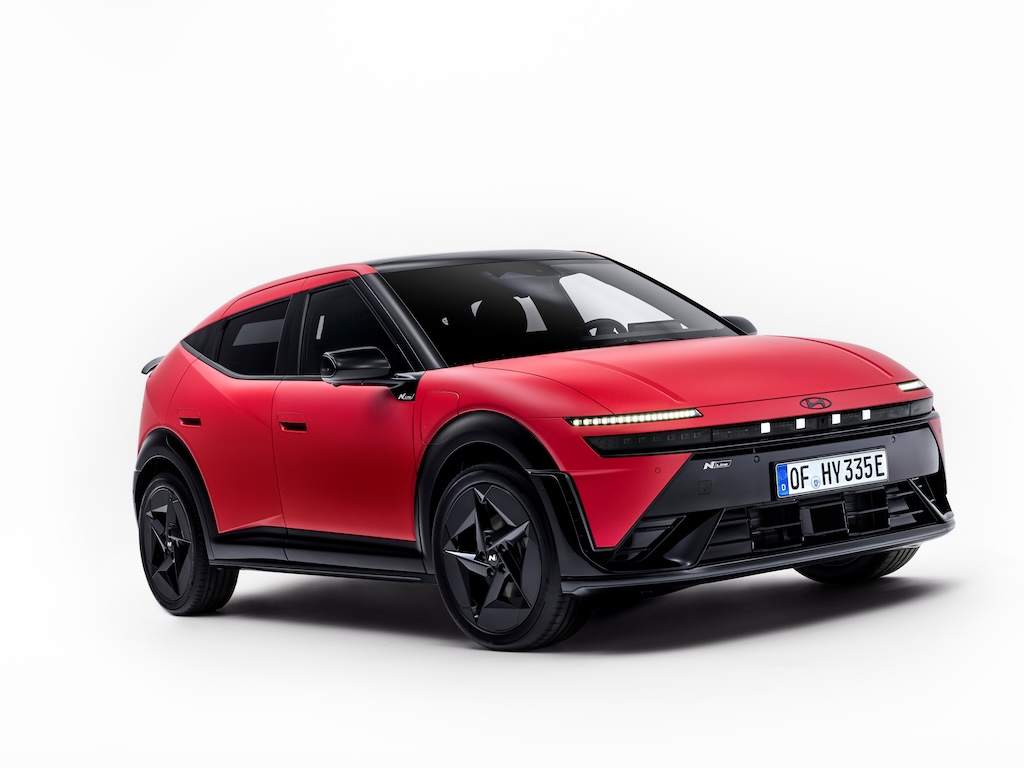
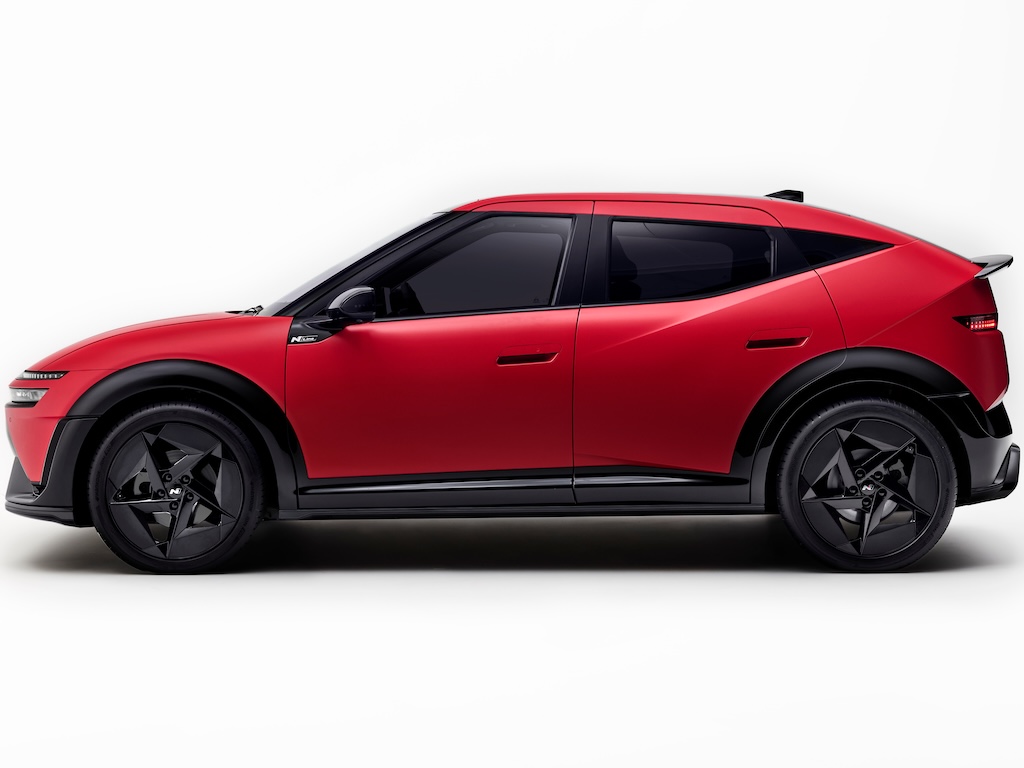
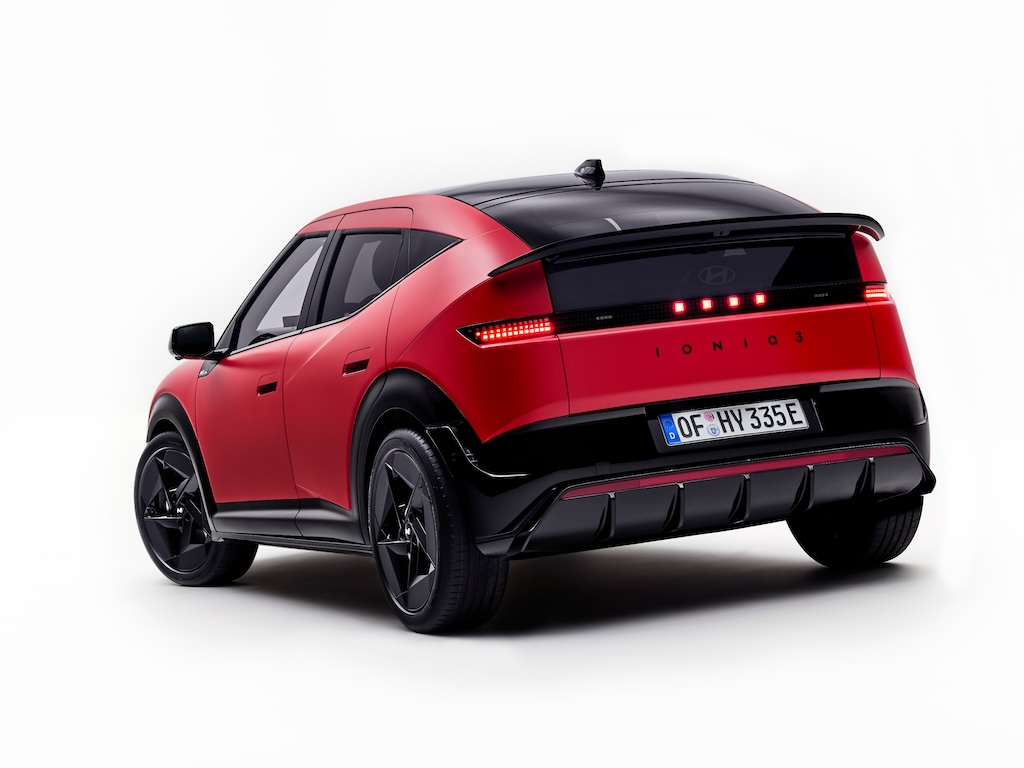
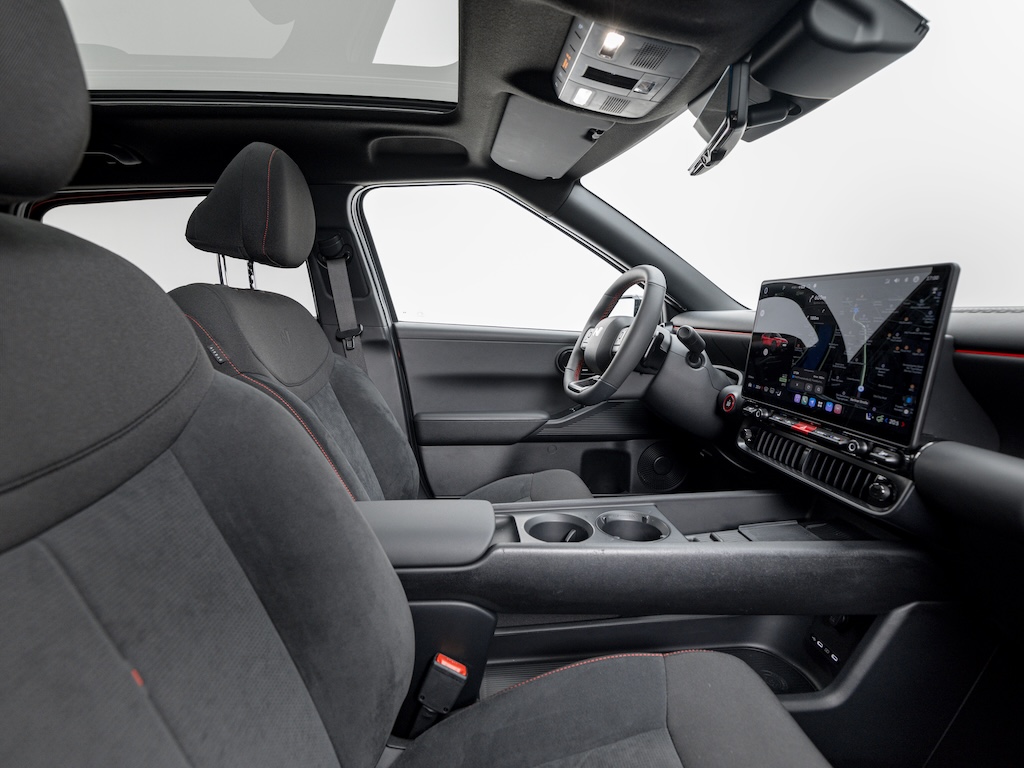
First shown as the Concept Three at the 2025 Munich Motor Show last September, the fully electric compact hatchback is designed “to make electric mobility intuitive, comfortable and relevant for everyday European needs”. It’s targeted at everyday drivers, young families and “innovative customers who value functionality as much as style”.
The newest member of the Ioniq lineup shares the same 400V E-GMP platform drivetrain and battery options as its Kia EV2 cousin. Both feature a front-wheel-drive layout, similar battery capacities and rapid charging capabilities from 10-80% in around 30 minutes.
It’s described as an ‘Aero Hatch’, which Hyundai tells us combines aerodynamic efficiency with generous interior space. The compact hatch will have luggage capacity of 441 litres and gets an integrated Megabox, which provides an additional, concealed storage space beneath the boot floor.
Hyundai also says the cabin offers “upper-segment roominess”, enabled by a flat-floor layout and ‘Furnished Space’ interior, with “genuine five-seat comfort” that means it can “comfortably” accommodate three adults in the rear.
The Ioniq 3 also brings Hyundai’s ‘Art of Steel’ language to the compact EV segment and gets the brand’s signature pixel lighting element, along with four central dots referencing the letter ‘H’ in Morse code, as one of a number of ‘Easter egg’ details. The front also comes with projection LED headlamps with Intelligent Front-Lighting System and dynamic welcome lighting. Customers can personalise their Ioniq 3 with 11 exterior colours, multiple interior schemes and wheel options from 16- to 19-inches. Sitting at the top of the range will be the Ioniq 3 N Line with sporty design elements and exclusive touches.
The line-up will feature two battery options with a projected WLTP range of 344km (213 miles) for the Standard Range, with the Long Range version targeting a claimed class-leading range of 496km (308 miles).
The Standard Range version gets a 147hp motor with 250Nm of torque and a top speed of 170km (105mph) plus a 0-100km/h time of 9.0 seconds. The Long Range model swaps this for a 135hp motor, delivering 0-100km/h in 9.6 seconds.
Fast DC charging from 10 to 80% takes 29 minutes under optimal conditions and is complemented by AC charging capability of up to 22kW.
The Ioniq 3 also marks the debut of the Pleos Connect infotainment system, based on Android Automotive OS (AAOS), with a 12.9-inch display or 14.6-inch display for access to vehicle functions, navigation and connectivity. It will come with features such as Hyundai Digital Key 2 to enable keyless access via smartphone or wearable devices, along with Plug & Charge, an integrated EV route planner and interior and exterior vehicle-to-load (V2L) functionality.
Depending on specification, the Ioniq 3 offers features such as Relaxation Seats, heated and ventilated seating and carefully selected textile materials inspired by natural landscapes and 1970s Italian furniture design, including recycled and bio-based materials. A Bose Premium Sound System, dual-zone automatic climate control and ambient LED lighting complete the “refined interior environment”.
Hyundai SmartSense advanced driver assistance systems include highway driving assist 2, remote smart parking assist, memory reverse assist, surround view monitor and blind-spot view monitor, supported by seven standard airbags.
Pricing and specification for the Ioniq 3 haven’t been announced yet. It’s expected to arrive in European markets this summer.
Natalie Middleton

Natalie has worked as a fleet journalist for nearly 20 years, previously as assistant editor on the former Company Car magazine before joining Fleet World in 2006. Prior to this, she worked on a range of B2B titles, including Insurance Age and Insurance Day. Natalie edits all the Fleet World websites and newsletters, and loves to hear about any latest industry news - or gossip.