
Impact of large-scale live events on last-mile logistics revealed by Geotab
Following the opening run of Beyoncé concerts in North London, new connected vehicle insights from Geotab show the true disruptive impact of large-scale live events on last-mile logistics.
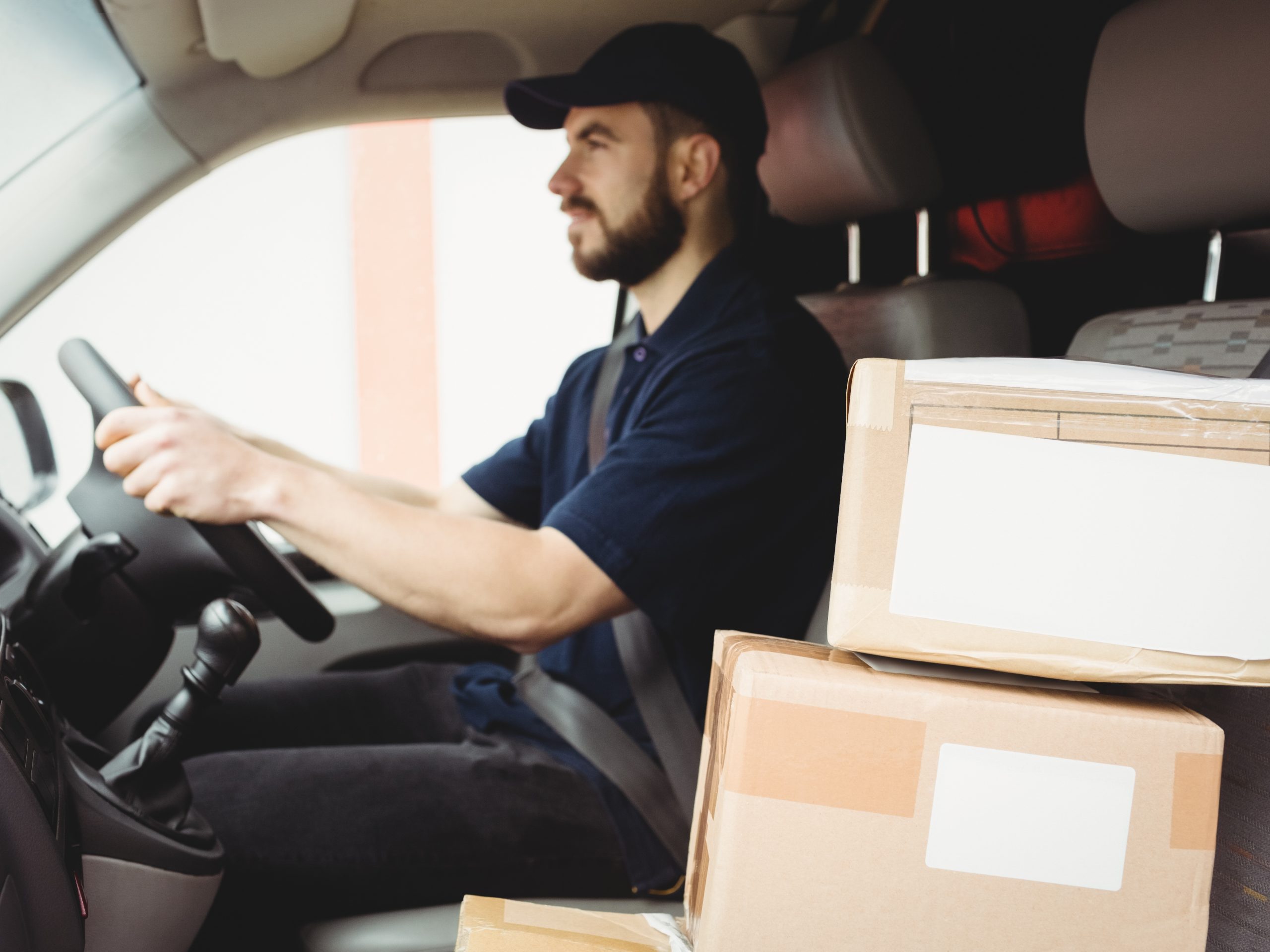
Last-mile delivery services were significantly affected by the opening Beyoncé dates, with congestion, re-routing and safety risks spiking across key urban areas
Analysis of commercial vehicle movements on 5 June – the first date of the star’s tour at the Tottenham Hotspur Stadium – shows that last-mile delivery services were significantly affected, with congestion, re-routing and safety risks spiking across key urban areas.
The research – based on aggregated telematics data from thousands of commercial vehicles operating across Greater London – reveals an average 45% increase in delivery times within an approximate two-mile (3km) radius of the stadium, compared to baseline weekday movement.
Driver stress indicators – such as harsh braking and harsh acceleration – were up a massive 80% while evening delivery runs were delayed by an average of 10 minutes per drop.
Longer delivery times didn’t just inconvenience customers – they also drove up emissions and fuel consumption for fleets, based on Geotab’s fleet analysis.
Vehicles operating near the stadium on 5 June saw idling time increase by 3.5 minutes per vehicle. For ICE vans, this translated into a measurable rise in fuel usage, while electric vans reported more frequent mid-shift charging events, increasing downtime and reducing efficiency. These knock-on effects not only impact operating margins, but also contribute to higher emissions in already congested urban areas.
Beyond the congestion, Geotab’s data also flags a potential road safety issue as streets around the North London venue become more unpredictable. Harsh braking events – often linked to sudden pedestrian movements or stop-start traffic – were up by 41% within a one-mile radius during peak concert ingress and egress times.
With over 100,000 fans attending across the opening shows – and more expected for the next dates starting 12 June – the early data points to a pattern of severe disruption for last-mile delivery vehicle operators, including gig economy couriers and retail fleets.
Abhinav Vasu, AVP solutions engineering at Geotab, said the findings applied to any major city hosting large-scale live events – but added that the impact on last-mile delivery in dense urban areas such as North London was even more immediate and far-reaching.
“Unlike venues such as the O2, which are better equipped to manage large traffic volumes, the Tottenham Hotspur Stadium sits within a heavily residential area, which makes the disruption more intense, and the ripple effects on local roads and communities even greater.”
He went on: “Delays, rerouting, the impact on road safety and increased fuel consumption – these issues quickly add up. But we’re also seeing a clear knock-on effect on driver wellbeing: longer hours, tighter margins and tougher roads to navigate.”
Geotab said that access to real-time telematics data is vital for helping fleet operators adapt delivery schedules, reroute efficiently and reduce pressure on drivers during peak disruption.
“Drivers are being asked to do more, in more difficult conditions, with less time. That’s a pressure cooker for safety,” added Vasu. “As cities host more major events this summer, it’s crucial that last-mile operators have the tools and insights to plan ahead.
“These disruptions aren’t going away – but with the right insight, Geotab can help mitigate their impact and better protect the people at the heart of delivery networks.”
Geotab will continue to monitor commercial vehicle trends across all upcoming show dates, with a full review available post-tour. The company is also working with logistics and fleet operators to help plan for predictive route mapping and delivery window adjustments to reduce impact.
Natalie Middleton

Natalie has worked as a fleet journalist for nearly 20 years, previously as assistant editor on the former Company Car magazine before joining Fleet World in 2006. Prior to this, she worked on a range of B2B titles, including Insurance Age and Insurance Day. Natalie edits all the Fleet World websites and newsletters, and loves to hear about any latest industry news - or gossip.