
Self-driving vehicle trials to start on UK roads from spring 2026
Trials of self-driving vehicles are set to start in England from 2026, springboarding plans to make the UK a world leader in the technology.
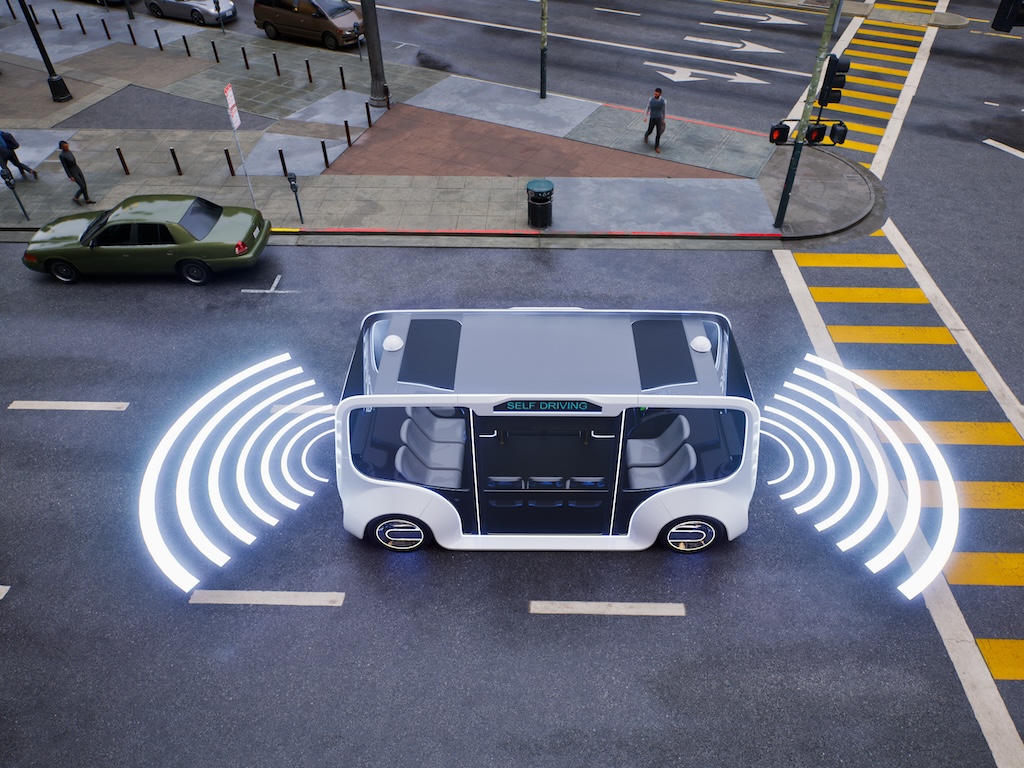 Transport Secretary Heidi Alexander confirmed that pilots of self-driving small-scale ‘taxi- and bus-like’ services without a safety driver will be brought forward by a year and could be available to members of the public to book via an app from spring 2026 – ahead of a potential wider rollout when the full Automated Vehicles (AV) Act becomes law from the second half of 2027.
The Government said the fast-tracked rollout would attract investment, potentially creating 38,000 jobs and adding £42bn to the UK economy by 2035.
It also stressed “cutting-edge innovation, regulation and road safety will be the key priorities of the pilots”, with the self-driving vehicles aiming to reduce human error – which contributes to 88% of all road collisions, according to figures.
Following the passing of the landmark Automated Vehicles Act in 2024, a consultation and call for evidence launched today will ensure the technology is “deployed in a safe and responsible way, taking into account the safety, accessibility needs and welfare of all road users”.
The Transport Secretary said: “The future of transport is arriving. Self-driving cars could bring jobs, investment and the opportunity for the UK to be among the world-leaders in new technology.
“With road safety at the heart of our pilots and legislation, we continue to take bold steps to create jobs, back British industry, and drive innovation to deliver our Plan for Change.”
The previous Conservative administration had planned to roll out autonomous cars by 2026, but the introduction had been delayed due to the change in administration.
The Automated Vehicles Act will require self-driving vehicles to achieve a level of safety at least as high as competent and careful human drivers, and they will undergo rigorous safety tests before being allowed on roads.
Proponents say that self-driving vehicles can help reduce deaths and injuries by having faster reaction times than humans, and by being trained on large numbers of driving scenarios, including learning from real-world incidents.
Advocates also say that unlike human drivers, autonomous vehicles can never get distracted or tired and they won’t drink-drive or speed. As such, self-driving vehicles have the potential to save 3,900 lives and avert 60,000 serious collisions by 2040.
Self-driving vehicles could also improve transport for millions of people – providing greater choice and flexibility to get around more easily.
This includes adding new public transport options in rural areas to boost connectivity for local communities, and improving mobility, accessibility and independence for those unable to drive.
Self-driving trials have already been taking place in the UK since January 2015, with British companies Wayve and Oxa spearheading significant breakthroughs in the technology.
UK firms are also at the forefront of the self-driving sector. AI company Wayve recently secured a record-breaking investment of over $1bn and announced partnerships with Nissan and Uber.
Meanwhile, Oxa, an Oxford university spinout that’s one of the UK’s leading autonomous vehicle startups, has already supported ‘bus-like’ services in the US and started rolling out self-driving vehicles at Heathrow Airport to improve baggage handling.
But there are concerns that the UK needs to catch up with the US and China in adopting autonomous vehicles to ensure it doesn’t fall behind in the global race.
Technology Secretary Peter Kyle said: “We can’t afford to take a back seat on AI, unless it’s on a self-driving bus. It’s great to see the UK storming ahead as a global leader in using this technology – making our roads safer, travel easier and driving growth by spurring innovation across the country.
“That’s why we’re bringing timelines forward today, placing the UK firmly in the fast lane and creating opportunity along the way so people across the country benefit.”
Wayve greeted the news and said accelerating commercial self-driving pilots to 2026 positions the UK “as a leading destination for the deployment of L4 self-driving technology”.
Alex Kendall, co-founder and CEO of the London headquartered-firm, went on: “These early pilots will help build public trust and unlock new jobs, services and markets. For Wayve, this means we can prioritise the UK for early deployment and help deliver safer, cleaner mobility to the UK. We’re excited to bring the benefits of L4 autonomous mobility to cities around the UK.”
Gavin Jackson, Oxa’s CEO, said: “Since 2024, Oxa has advocated for an expedited regulatory regime. Clear rules will open up the market and encourage transport companies to introduce the benefits of autonomous vehicles across the country. Today’s announcement shows that Britain is ready for this technology.”
Uber said the news marked a significant step toward bringing autonomous services to the UK.
Sarfraz Maredia, head of autonomous mobility & delivery, remarked: “Uber already enables tens of thousands of driverless trips each month worldwide through partnerships with leading AV developers. Having recently appointed a dedicated leader for our UK autonomous efforts, we look forward to working with regulators and partners to deploy this technology safely in Britain.”
And the Society of Motor Manufacturers and Traders (SMMT) said the announcements put the UK on track to reap the road safety and socio-economic benefits this technology can deliver.
Mike Hawes, SMMT chief executive, elaborated: “These latest measures will help Britain remain a leader in the development and introduction of self-driving vehicles.”
Natalie Middleton

Natalie has worked as a fleet journalist for nearly 20 years, previously as assistant editor on the former Company Car magazine before joining Fleet World in 2006. Prior to this, she worked on a range of B2B titles, including Insurance Age and Insurance Day. Natalie edits all the Fleet World websites and newsletters, and loves to hear about any latest industry news - or gossip.