
The Charge Scheme adds access to Tesla Superchargers across Europe
The Charge Scheme has added access to the Tesla Supercharger network across Europe as part of its salary sacrifice EV charging scheme, giving both Tesla and non-Tesla drivers access to one of the most widely used ultra rapid charging networks.
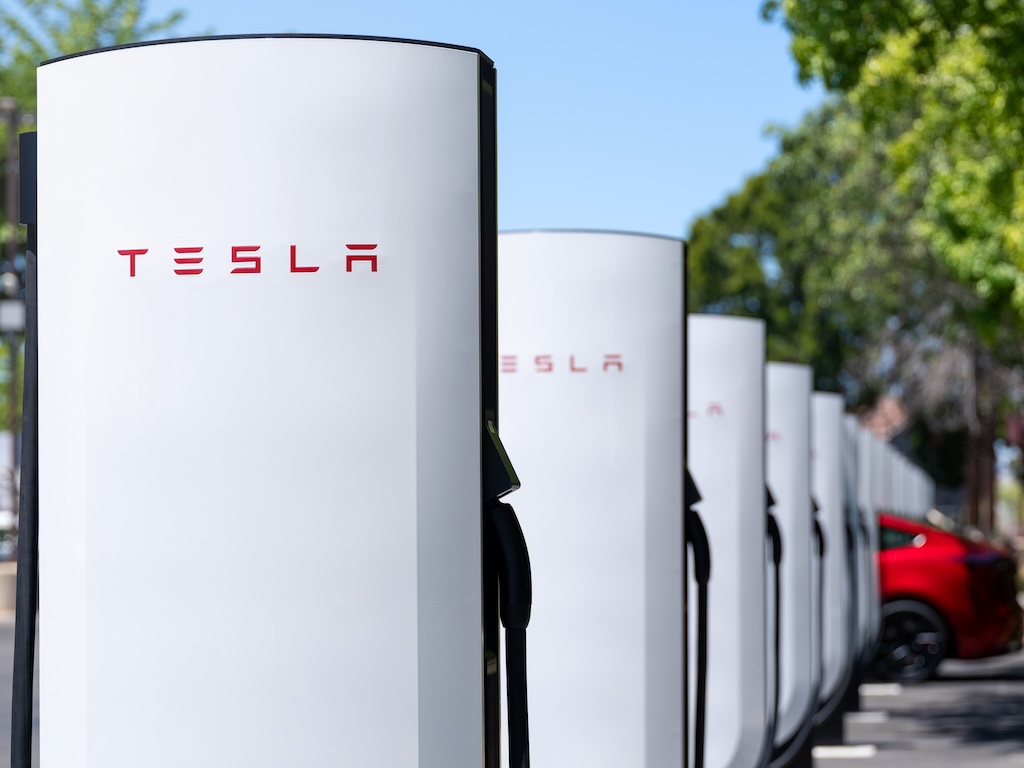
The Charge Scheme allows drivers to access over 76,000 public charge points, now including Tesla Superchargers
The Tesla Supercharger network is Europe’s largest fast charging network with more than 20,000 chargers at 1,500+ locations. Charging speeds reach up to 250kW.
The Charge Scheme allows EV drivers to access more than 76,000 public charge points, now including Tesla Superchargers, powered by Plugsurfing.
Users of the scheme pay for charging through salary sacrifice with their employer.
Charging costs are deducted from the employee’s gross salary before tax and National Insurance, reducing the overall cost of charging compared to paying from net pay. As a result, employees typically save between 20-50% on charging costs, depending on their tax band, with some drivers saving up to £1,000 annually based on mileage and charging behaviour.
Matt Waller, general manager at The Charge Scheme, said, “We’re already helping our customers save hundreds of pounds a year on public charging, and we know the cost of it remains one of the biggest barriers to wider EV adoption, particularly for drivers who rely on public infrastructure.
“A growing number of our customers have been asking us for access to the Tesla Supercharger network. Adding it to The Charge Scheme is a massive step forward and allows us to support more drivers with reliable, fast charging at the lowest possible cost for longer journeys and higher mileage use.”
The Charge Scheme was designed to tackle one of the biggest and most persistent barriers to electric vehicle adoption, the high cost of charging away from home. While home charging remains relatively low cost, public charging and ultra rapid charging can be significantly more expensive, particularly for those without access to a home charger or EV friendly energy tariff.
The solution works alongside existing electric car salary sacrifice schemes and company car fleets. Charging costs, mileage data and payroll instructions are handled centrally, reducing administrative effort for employers while providing employees with a clear and consistent way to manage charging costs across home, workplace and public networks.
Tesla SuperchargersThe Charge Scheme
Natalie Middleton

Natalie has worked as a fleet journalist for nearly 20 years, previously as assistant editor on the former Company Car magazine before joining Fleet World in 2006. Prior to this, she worked on a range of B2B titles, including Insurance Age and Insurance Day. Natalie edits all the Fleet World websites and newsletters, and loves to hear about any latest industry news - or gossip.