
Volvo will launch 13 new cars by the end of 2030
Volvo has unveiled its largest and most ambitious global product push in its 99-year history, committing to launch 13 all-new cars by the end of 2030.
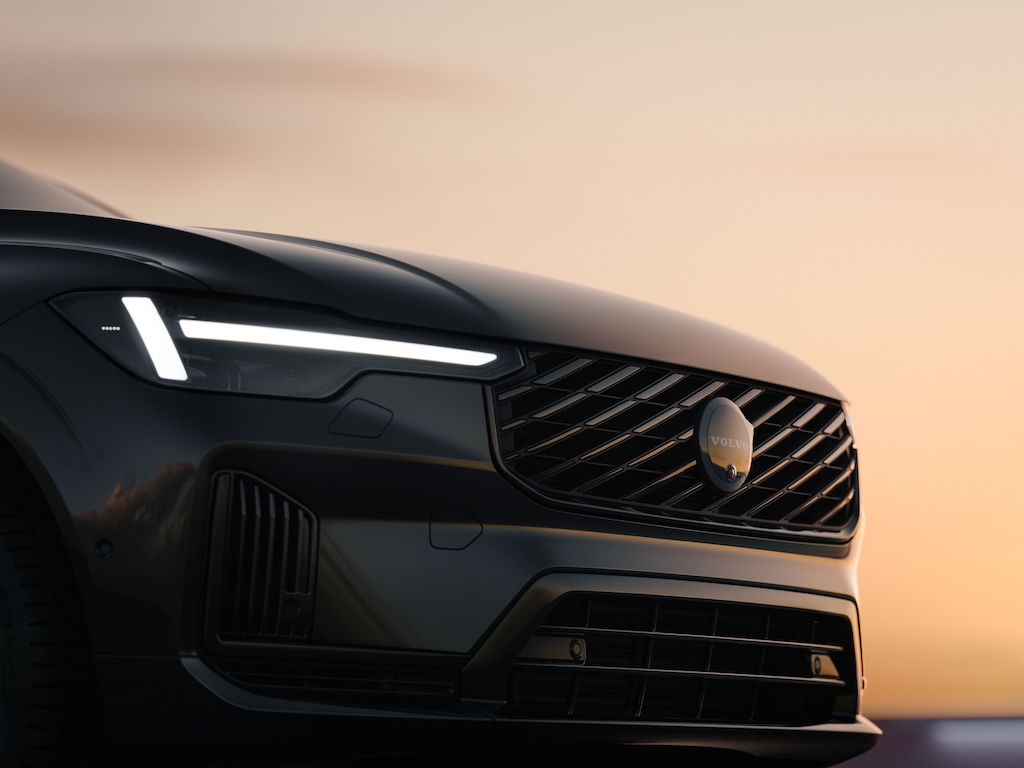
The historic model blitz includes seven new cars for Western markets and six new cars for China
The historic model blitz includes seven new cars for Western markets and six new cars for China as the brand moves away from uniform global portfolios towards region-specific developments.
The product plan aims to double the company’s market share by increasing its “addressable” market in the fast-growing fully electric (BEV) segment, as well as with third-generation hybrids for customers still reluctant to go fully electric.
The 13-model pipeline spans traditional body styles such as estates and saloons as well as SUVs and crossovers. The product push will also include cars in new segments to broaden the line-up, while taking the marque “into the next era of design”.
Volvo said the product offensive would be a significant factor in its efforts to build a company that’s capable of achieving strong growth in the long term and an EBIT margin beyond 8%.
Håkan Samuelsson, president and CEO, stated: “Our showrooms will look very different in 2030. This is our strongest product pipeline ever, tailored to regional needs, and emphasises our ambition to be the leading premium car brand.”
The new product push will expand the offer in each of Volvo’s three main regions: Europe, the US and China.
For Western markets, industry reports indicate that an electric saloon and estate, potentially carrying the historic S60 and V70 badges, could arrive as early as 2028.
In Europe, Volvo promises a “full BEV line up by 2030” with the next car coming in 2027. It will also deliver third-generation hybrids through brand synergies. The brand says market opportunities lie in the small- and mid-sized cars dominating the market, along with the BEV adoption driven by fleets.
The US will also get a “sizeable electric D-SUV” catering for customer preference for larger-sized vehicles.
The new software-defined and electrified cars for Western markets will use the company’s HuginCore computing platform and be based on the SPA2 and SPA3 architectures.
The brand said investments in its technology stack and manufacturing will decrease from today’s levels, as the company has already completed its most expensive phase of research and development (R&D).
In China, Volvo will team up with parent firm Geely to develop “attractive new and electrified cars that are extremely competitive”. The two companies will also work together on shared platforms, a dedicated tech stack for China, and a shared parts and supply chain to develop cars in a highly cost-efficient way.
This new product offensive will be combined with “a new commercial model built on simplicity, transparency and precision”. Moving forward, the company will transform its retail experience with transparent pricing, streamlined offers and with special fast-delivery versions. Regular over-the-air software updates and a convenient and all-inclusive Care subscription offer are aimed at further building the customer experience.
“Our product offensive builds on four unique strengths: regionalised product offerings, leadership in electrification, unique synergies with Geely and complete customer offers that go beyond the car alone,” said Samuelsson. “Enabled by a high-performing organisation and affordable frames for investment and cost, these strengths position us for growth and increased profitability.”
Natalie Middleton

Natalie has worked as a fleet journalist for nearly 20 years, previously as assistant editor on the former Company Car magazine before joining Fleet World in 2006. Prior to this, she worked on a range of B2B titles, including Insurance Age and Insurance Day. Natalie edits all the Fleet World websites and newsletters, and loves to hear about any latest industry news - or gossip.